
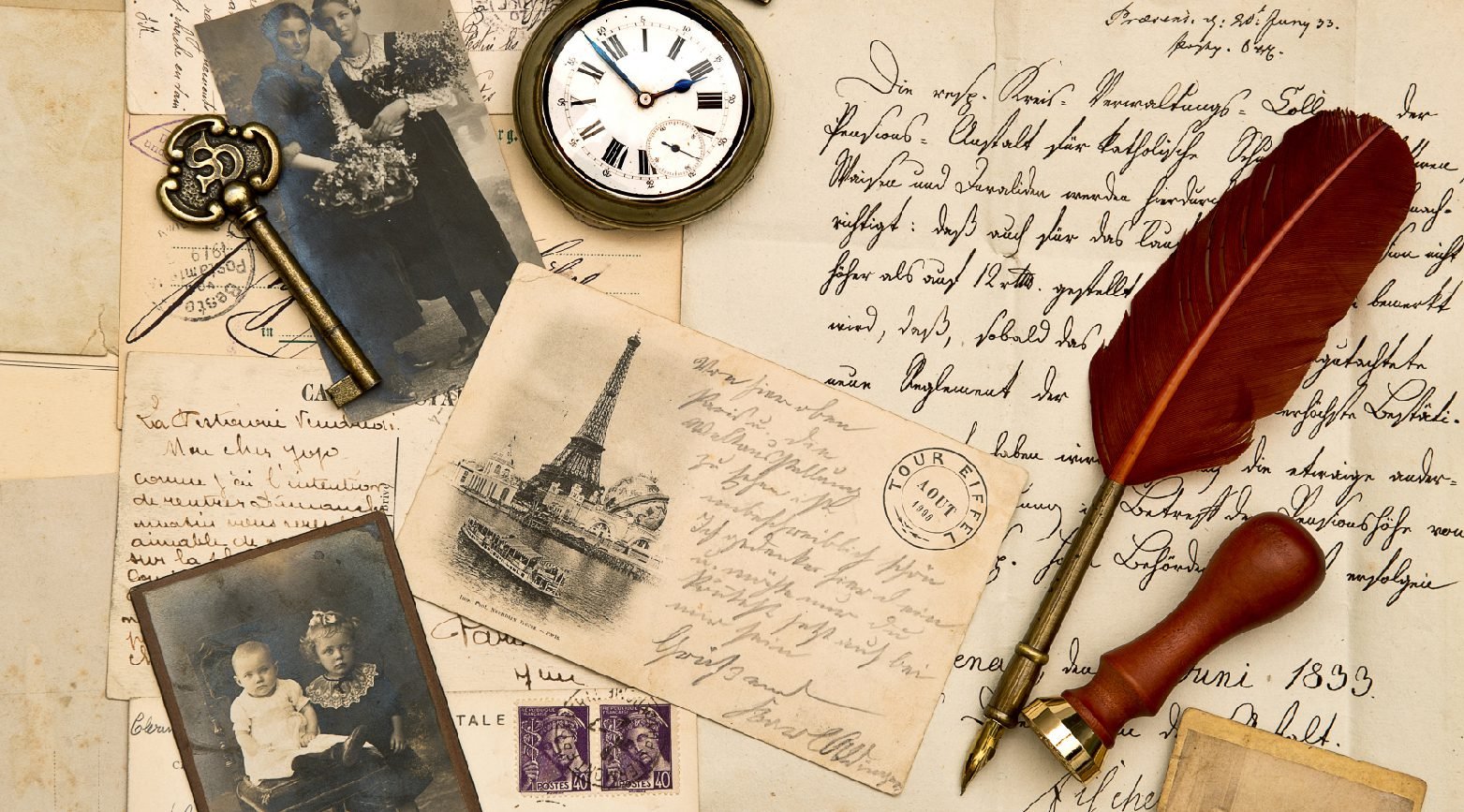
In today’s fast-moving digital world, moments pass quickly. One day you are celebrating birthdays, weddings, vacations, and family gatherings, and before you know it, those moments become memories. This is why Preserving Memories has become more important than ever. Whether it is through photographs, videos, journals, printed albums, or digital storage, people naturally want to hold onto the emotions and experiences that shape their lives.
Memories are not just old stories from the past. They are emotional treasures that remind us where we came from, who we love, and what truly matters. A single photograph can bring back the warmth of childhood. A handwritten letter can recreate emotions that seemed forgotten. Even a short video clip can transport someone back to one of the happiest days of their life.
The importance of Preserving Memories has increased in recent years because modern life is increasingly digital. Thousands of photos remain buried inside smartphones and cloud folders, rarely revisited. While technology makes capturing moments easier, it also creates the risk of losing emotional connection with those memories. True memory preservation is not only about saving files; it is about protecting emotions, stories, and experiences for future generations.
This guide explores everything about Preserving Memories, including why it matters, the best ways to preserve moments, modern digital methods, traditional memory-keeping techniques, and how families can build lasting emotional legacies.
Why Preserving Memories Is So Important
Every person experiences moments they never want to forget. These moments define relationships, milestones, achievements, and even struggles that helped shape character and identity. The act of Preserving Memories gives people the ability to revisit those meaningful experiences whenever they want.
Many people realize the value of memories only after time passes. Childhood photographs suddenly become priceless after parents grow older. Videos of family gatherings become emotionally significant when loved ones are no longer around. Memories gain value over time because they capture emotions that cannot be recreated.
Preserved memories also strengthen family connections. Children who grow up seeing old family albums or hearing stories about previous generations often feel a deeper sense of identity and belonging. Family traditions, cultural values, and shared experiences become stronger when memories are carefully preserved and passed down.
Another major reason why Preserving Memories matters is emotional healing. Looking back at positive experiences can improve mental well-being during difficult times. Nostalgic memories often reduce stress, create comfort, and remind people of meaningful relationships and achievements.
In many ways, memory preservation is like protecting pieces of human history. Every family has unique stories, traditions, and experiences worth saving. Without intentional effort, many of these valuable moments disappear forever.
Traditional Ways of Preserving Memories
Long before smartphones and cloud storage existed, people used physical methods to save memories. Interestingly, many traditional methods remain highly valuable even today because they create stronger emotional connections.
Printed Photo Albums
Printed photographs continue to be one of the most powerful forms of Preserving Memories. Unlike digital galleries that are often forgotten inside devices, physical photo albums encourage people to sit together, turn pages, and relive moments as a family.
Printed photos also have long-term reliability. Technology changes quickly, but printed images can survive for decades when properly stored. Many families still cherish photo albums created by grandparents years ago.
Scrapbooks
Scrapbooking combines creativity with storytelling. People use photographs, handwritten notes, ticket stubs, postcards, and decorative elements to create personalized memory collections. Scrapbooks often feel more emotional because they contain personal thoughts and details that photographs alone cannot express.
Journals and Diaries
Writing experiences in journals is another timeless way of Preserving Memories. Unlike photographs that capture visual moments, journals capture emotions, thoughts, and perspectives. Reading old diary entries years later often feels like traveling back in time.
Handwritten Letters
In an era dominated by instant messaging, handwritten letters have become even more meaningful. They preserve personal emotions in a way that digital messages rarely can. Many families keep letters for generations because they carry emotional authenticity.
Modern Digital Methods for Preserving Memories
Technology has completely transformed how people capture and store memories. Today, almost everyone carries a high-quality camera inside their smartphone, making memory collection easier than ever.
However, digital preservation requires proper organization and backup systems to ensure memories remain safe.
| Memory Preservation Method | Advantages | Disadvantages |
| Printed Photo Albums | Emotional, long-lasting, easy to share physically | Can fade or get damaged |
| Cloud Storage | Accessible anywhere, large storage capacity | Requires internet and subscriptions |
| External Hard Drives | Secure offline backup | Risk of hardware failure |
| Journals & Diaries | Personal and emotional | Vulnerable to physical damage |
| Video Recordings | Captures voices and emotions | Large storage requirements |
| Scrapbooks | Highly creative and sentimental | Time-consuming to create |
The Role of Photography in Preserving Memories
Photography remains one of the strongest tools for Preserving Memories because images freeze moments forever. A photograph captures details people may eventually forget, including facial expressions, surroundings, emotions, and interactions.
Modern smartphone cameras have made photography accessible to everyone. People no longer need expensive equipment to document life’s important moments. However, the abundance of digital photos has created a new challenge: organization.
Many people have thousands of images scattered across devices without proper categorization. To truly benefit from digital memory preservation, it helps to organize photos into folders based on events, years, or family members.
Creating yearly photo books is also becoming increasingly popular. These books combine digital convenience with the emotional value of physical albums.
Why Digital Backup Is Essential
One of the biggest mistakes people make while Preserving Memories is relying on only one storage method. Phones can break, laptops can fail, and online accounts can become inaccessible.
This is why digital backup strategies are extremely important.
Experts often recommend the “3-2-1 Backup Rule”:
- Keep 3 copies of important memories
- Store them on 2 different types of media
- Keep 1 backup in a separate location or cloud storage
For example, someone might keep memories on their phone, an external hard drive, and cloud storage simultaneously. This greatly reduces the risk of permanent loss.
Cloud services have become especially useful because they automatically sync photos and videos across devices. However, users should regularly review storage accounts and ensure passwords remain secure.
Video Memories Are Becoming More Valuable
Photos capture moments, but videos capture movement, voices, laughter, and emotions in real time. Because of this, video content has become one of the most meaningful forms of Preserving Memories.
Short clips of children playing, family dinners, weddings, or grandparents sharing stories often become deeply emotional years later. Videos preserve personality and energy in ways that static images cannot.
Modern smartphones make video recording extremely simple, allowing people to document ordinary everyday moments that may become priceless in the future.
Many families now create digital family archives containing:
- Home videos
- Voice recordings
- Interviews with grandparents
- Celebration footage
- Travel memories
These archives become emotional treasures for future generations.
Social Media and Memory Preservation
Social media platforms have unintentionally become digital memory banks. People share vacations, birthdays, achievements, and milestones online daily. Platforms often remind users of old posts through “memory” features.
While social media helps revisit past experiences, it should not be the only place for Preserving Memories. Accounts can get hacked, deleted, or restricted. Additionally, social media often prioritizes public sharing rather than long-term emotional storytelling.
Downloading and organizing important content outside social platforms is always a safer strategy.
Emotional Benefits of Preserving Memories
The emotional impact of Preserving Memories goes far beyond nostalgia. Studies have shown that revisiting positive memories can improve emotional well-being, reduce loneliness, and strengthen personal identity.
Memories provide:
- Emotional comfort during stressful periods
- Stronger family connections
- A sense of gratitude
- Better self-understanding
- Motivation and inspiration
Older generations especially benefit from revisiting family memories because it helps maintain emotional closeness and cognitive engagement.
For children, preserved memories help build confidence and identity. Seeing childhood photos and family stories reinforces belonging and emotional security.
Preserving Memories for Future Generations
One of the most beautiful aspects of memory preservation is its ability to connect generations. Families who intentionally preserve stories, traditions, and experiences create emotional bridges between the past and future.
Imagine future grandchildren watching videos of their grandparents, reading old letters, or exploring family photo collections. These preserved memories help future generations understand their roots and family history.
Many people today are creating:
- Digital family archives
- Online memory websites
- Family history books
- Recorded interviews with elders
- Legacy projects
These efforts ensure important stories are never lost.
Creative Ideas for Preserving Memories
There are countless creative ways to preserve meaningful moments. Modern tools allow people to personalize memory preservation in highly unique ways.
Some creative ideas include:
Memory Boxes
Store meaningful items such as letters, tickets, jewelry, photographs, or souvenirs inside decorative boxes.
Digital Slideshows
Create video compilations with music and captions for birthdays, anniversaries, or family events.
Audio Story Collections
Record family members sharing stories and life experiences.
Personalized Calendars
Use family photographs to create yearly calendars featuring special moments.
Memory Walls
Decorate walls with framed photographs and meaningful quotes.
These creative methods make Preserving Memories more interactive and emotionally engaging.
Common Mistakes People Make While Preserving Memories
Despite good intentions, many people accidentally lose important memories due to poor organization or lack of backup planning.
Some common mistakes include:
- Storing everything only on phones
- Never printing important photos
- Forgetting passwords for cloud accounts
- Not organizing digital files
- Ignoring old physical photographs
- Failing to backup videos regularly
Avoiding these mistakes can significantly improve long-term memory preservation.
The Future of Preserving Memories
Technology continues to change how people preserve life experiences. Artificial intelligence, cloud computing, and virtual reality are already transforming memory storage and storytelling.
Future innovations may include:
- AI-organized family archives
- Interactive virtual reality memory experiences
- Automatic photo categorization
- Digital legacy platforms
- Voice-cloned storytelling archives
Despite these technological advancements, the emotional purpose of Preserving Memories will remain unchanged. People will always want to hold onto moments that matter.
Conclusion
At its core, Preserving Memories is about protecting the emotions, experiences, and relationships that shape human life. Memories connect people to their past, strengthen family bonds, and create emotional legacies for future generations.
In a world where time moves quickly, preserving memories allows people to slow down and revisit moments that truly mattered. Whether through printed photographs, journals, videos, cloud storage, or creative memory projects, every preserved memory becomes a priceless part of personal history.
The best time to start preserving memories is now. Capture ordinary moments, organize your photographs, record family stories, and create keepsakes that future generations will cherish. Years from today, those preserved moments may become some of the most valuable treasures anyone can own.
Read More Blogs: Prayers For Relationships Strengthening: Powerful Ways to Build Love, Trust, and Emotional Connection