
Minoxidil has become one of the most popular and widely recommended treatments for hair loss across the world. Whether you’re dealing with male pattern baldness, female pattern hair loss, or general hair thinning, minoxidil is often among the first solutions suggested by dermatologists. It is available over the counter in many countries and has helped millions of people stimulate hair growth and slow down hair loss.
However, despite its effectiveness, many users experience concerns about the side effects associated with minoxidil. Common complaints include scalp irritation, itching, dryness, flaking, unwanted facial hair growth, dizziness, and temporary shedding. These side effects can discourage users from continuing treatment, even though many of them are preventable or manageable.
The good news is that most minoxidil side effects can be minimized significantly with proper application techniques, correct dosage, and a consistent hair care routine. Understanding how minoxidil works and how to use it safely can help you achieve better hair growth results while reducing discomfort and unwanted reactions.
In this guide, we will explore the most common side effects of minoxidil and explain practical strategies to minimize them for a safer and more effective hair restoration journey.
Understanding How Minoxidil Works
Minoxidil is a vasodilator that increases blood flow to the hair follicles. By improving circulation in the scalp, it helps deliver more oxygen and nutrients to hair roots, encouraging follicles to remain in the growth phase for longer periods.
Over time, this process can lead to thicker hair strands, improved density, and reduced hair loss. Most users begin noticing visible improvements after three to six months of consistent use, although individual results may vary.
Because minoxidil directly affects the scalp and hair follicles, side effects often occur due to improper application, sensitivity to ingredients, or excessive use rather than the active ingredient itself.
Common Side Effects of Minoxidil
Before discussing prevention methods, it’s important to understand the side effects users may encounter.
| Side Effect | Description | Frequency |
|---|---|---|
| Scalp Irritation | Redness, itching, or burning sensation | Common |
| Dryness and Flaking | Dry scalp and dandruff-like flakes | Common |
| Temporary Shedding | Increased hair fall during initial weeks | Common |
| Unwanted Hair Growth | Hair growth on face or other areas | Moderate |
| Dizziness | Lightheadedness due to absorption | Rare |
| Rapid Heartbeat | Increased heart rate in sensitive users | Rare |
| Swelling | Fluid retention in hands or feet | Very Rare |
| Allergic Reactions | Severe itching, rash, or swelling | Very Rare |
Most side effects are mild and temporary, but understanding how to prevent them can make your experience much more comfortable.
Choose the Right Minoxidil Formula
One of the easiest ways to minimize side effects is to select the right formulation.
Minoxidil typically comes in two forms:
Foam Minoxidil
Foam formulations generally contain fewer irritating ingredients and are often recommended for individuals with sensitive skin. Many users report less itching, redness, and dryness compared to liquid versions.
Liquid Minoxidil
Liquid formulations usually contain propylene glycol, which helps the medication penetrate the scalp. However, this ingredient is also responsible for many cases of scalp irritation and allergic reactions.
If you frequently experience itching or flaking, switching from liquid minoxidil to foam may significantly reduce discomfort.
Follow the Recommended Dosage
Many people mistakenly believe that applying more minoxidil will accelerate hair growth. Unfortunately, this approach often increases side effects without improving results.
For most users:
- Apply 1 mL of liquid minoxidil twice daily.
- Use the recommended amount of foam according to product instructions.
- Never exceed the prescribed dosage unless advised by a healthcare professional.
Using excessive amounts can increase systemic absorption, potentially leading to dizziness, rapid heartbeat, or swelling.
Consistency is more important than quantity. Regular application at the recommended dose delivers the best long-term results.
Apply Minoxidil Correctly
Proper application techniques can dramatically reduce side effects.
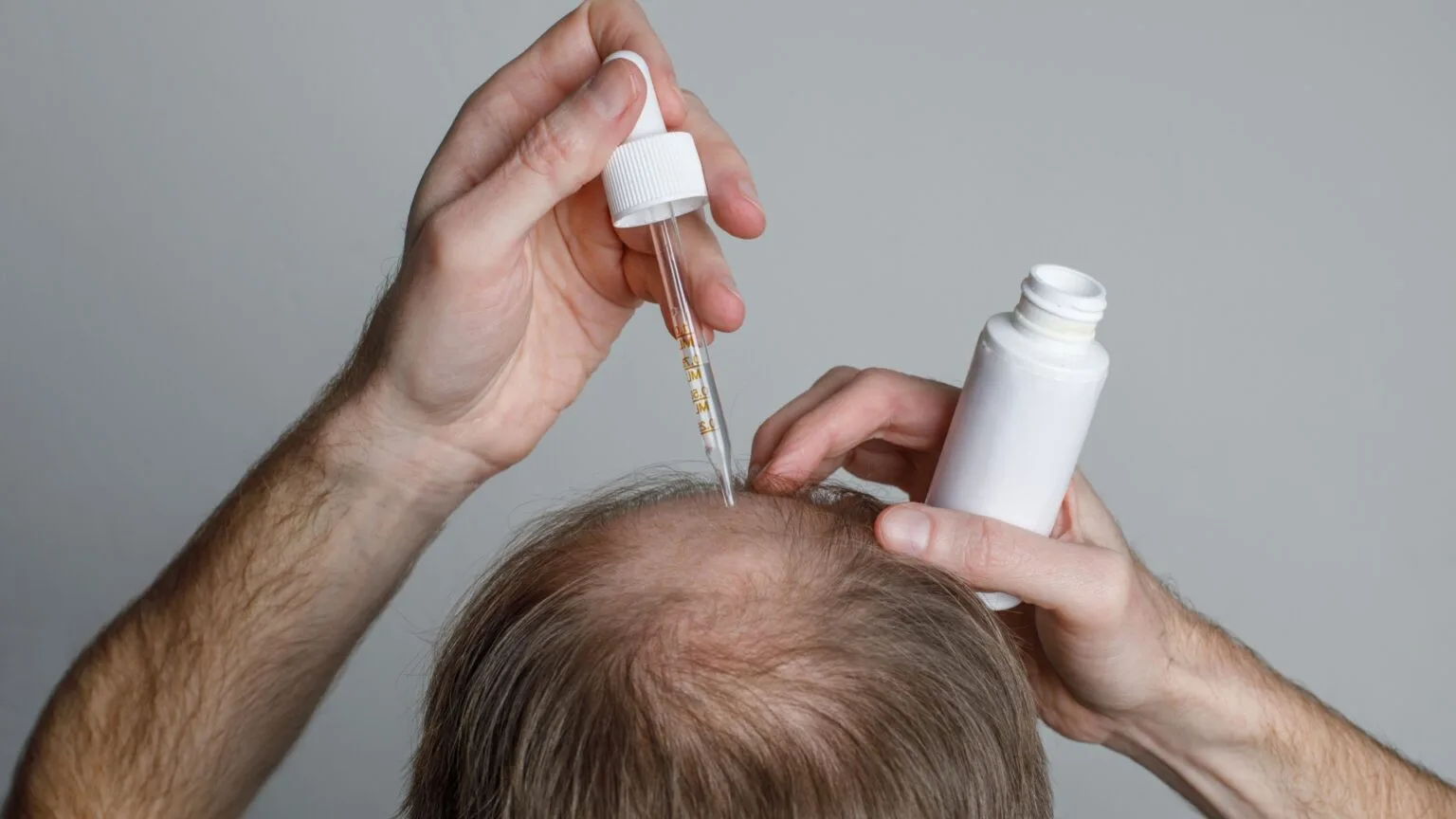
Always apply minoxidil directly to the scalp rather than the hair strands. The medication should reach the hair follicles where it can be most effective.
Before applying:
- Ensure your scalp is completely dry.
- Divide hair into sections for better access.
- Apply only to affected areas.
- Wash hands thoroughly afterward.
Avoid spreading the product onto the forehead, temples, neck, or face. This helps prevent unwanted facial hair growth, one of the most common complaints among users.
Allow Minoxidil to Dry Completely
One of the biggest mistakes people make is lying down or wearing hats immediately after application.
When minoxidil transfers from the scalp onto pillows, bedding, or other skin surfaces, it may cause unintended hair growth in those areas.
Allow the product to dry for at least two to four hours before:
- Sleeping
- Wearing hats
- Exercising heavily
- Swimming
Proper drying reduces both irritation and accidental spread of the medication.
Manage Initial Hair Shedding
Temporary shedding is often misunderstood as a negative side effect. In reality, increased hair fall during the first few weeks is frequently a sign that minoxidil is working. Older hairs are pushed out to make room for newer, healthier growth.
This shedding phase typically occurs within the first two months and usually resolves on its own.
To manage this period:
- Continue treatment consistently.
- Avoid panic-driven discontinuation.
- Take progress photos monthly.
- Consult a dermatologist if shedding becomes excessive.
Most users who remain consistent eventually see improved hair density after the initial shedding period.
Keep Your Scalp Moisturized
Dryness and flaking are among the most frequently reported side effects. Minoxidil can sometimes disrupt the scalp’s natural moisture barrier, especially in liquid formulations containing alcohol.
To minimize dryness:
Use gentle, sulfate-free shampoos that maintain scalp hydration. Consider incorporating moisturizing scalp serums or dermatologist-approved conditioners.
Ingredients that may help include:
- Aloe vera
- Hyaluronic acid
- Niacinamide
- Panthenol
- Ceramides
Maintaining scalp health not only reduces irritation but may also improve treatment effectiveness.
Avoid Applying to Irritated or Damaged Skin
Applying minoxidil to a damaged scalp can increase absorption and worsen side effects.
Do not use minoxidil on:
- Sunburned scalp
- Open cuts
- Active infections
- Severe dermatitis
- Psoriasis flare-ups
Wait until the scalp has healed before resuming treatment. If irritation persists, seek professional medical advice.
Use Gentle Hair Care Products
Aggressive hair care routines can amplify minoxidil-related irritation.
Avoid:
- Harsh shampoos
- Strong chemical treatments
- Frequent bleaching
- Excessive heat styling
- Alcohol-heavy hair products
A mild hair care routine supports scalp recovery and reduces inflammation.
Healthy hair follicles thrive in a balanced scalp environment, making gentle care an important part of successful treatment.
Monitor for Allergic Reactions
Although uncommon, some individuals develop allergic reactions to minoxidil or its inactive ingredients.
Signs may include:
- Severe itching
- Persistent redness
- Swelling
- Rash
- Difficulty breathing
If these symptoms occur, discontinue use immediately and consult a healthcare professional.
In many cases, the reaction is caused by propylene glycol rather than minoxidil itself. Switching to a foam formula may solve the problem.
Stay Consistent Without Overusing
Many users become impatient when results do not appear immediately.
Hair growth is naturally slow, and minoxidil requires time to work effectively. Frequent changes in dosage or application frequency can increase side effects while reducing consistency.
Remember:
- Most users need at least three months to see early improvements.
- Significant growth often takes six months or longer.
- Long-term consistency produces the best outcomes.
Patience is one of the most important factors in successful treatment.
Support Hair Growth with a Healthy Lifestyle
While minoxidil helps stimulate follicles externally, overall hair health also depends on internal factors.
A nutrient-rich diet supports stronger hair growth and may improve treatment outcomes.
Focus on:
- Protein-rich foods
- Iron sources
- Zinc-rich foods
- Omega-3 fatty acids
- Vitamins D, B12, and Biotin
Adequate sleep, stress management, and regular exercise can also contribute to healthier hair growth.
Combining minoxidil with a healthy lifestyle often delivers superior results compared to relying on the medication alone.
When to Consult a Dermatologist
While many side effects are mild, professional guidance may be necessary if symptoms persist.
Consult a dermatologist if you experience:
- Severe scalp irritation
- Persistent dizziness
- Rapid heartbeat
- Swelling in hands or feet
- Significant allergic reactions
- Lack of results after six to twelve months
A dermatologist can determine whether dosage adjustments, alternative treatments, or additional therapies are appropriate.
Frequently Asked Questions
Q1. Can I stop minoxidil if I experience mild side effects?
Mild side effects such as temporary shedding, slight dryness, or minor itching often improve over time. However, consult a healthcare provider before discontinuing treatment.
Q2. Is foam minoxidil better than liquid minoxidil?
For many users with sensitive scalps, foam formulations cause less irritation because they typically do not contain propylene glycol.
Q3. How long do minoxidil side effects last?
Most mild side effects improve within several weeks as the scalp adjusts to treatment.
Q4. Does applying more minoxidil improve results?
No. Using more than the recommended amount generally increases side effects without enhancing hair growth.
Q5. Can minoxidil cause permanent side effects?
Permanent side effects are extremely rare. Most reactions resolve after discontinuing treatment or adjusting usage.
Conclusion
Minoxidil remains one of the most effective and scientifically supported treatments for hair loss. While side effects can occur, most are mild, temporary, and manageable with proper use. Choosing the right formulation, following recommended dosages, maintaining scalp health, and practicing correct application techniques can dramatically reduce discomfort while maximizing hair growth results.
The key to success is consistency, patience, and informed usage. By understanding how to minimize side effects of minoxidil, users can confidently continue treatment and improve their chances of achieving thicker, healthier hair over time. If severe reactions occur, professional medical guidance should always be sought to ensure safe and effective treatment.
Read More Blogs: My Mind About Yellow Gold