
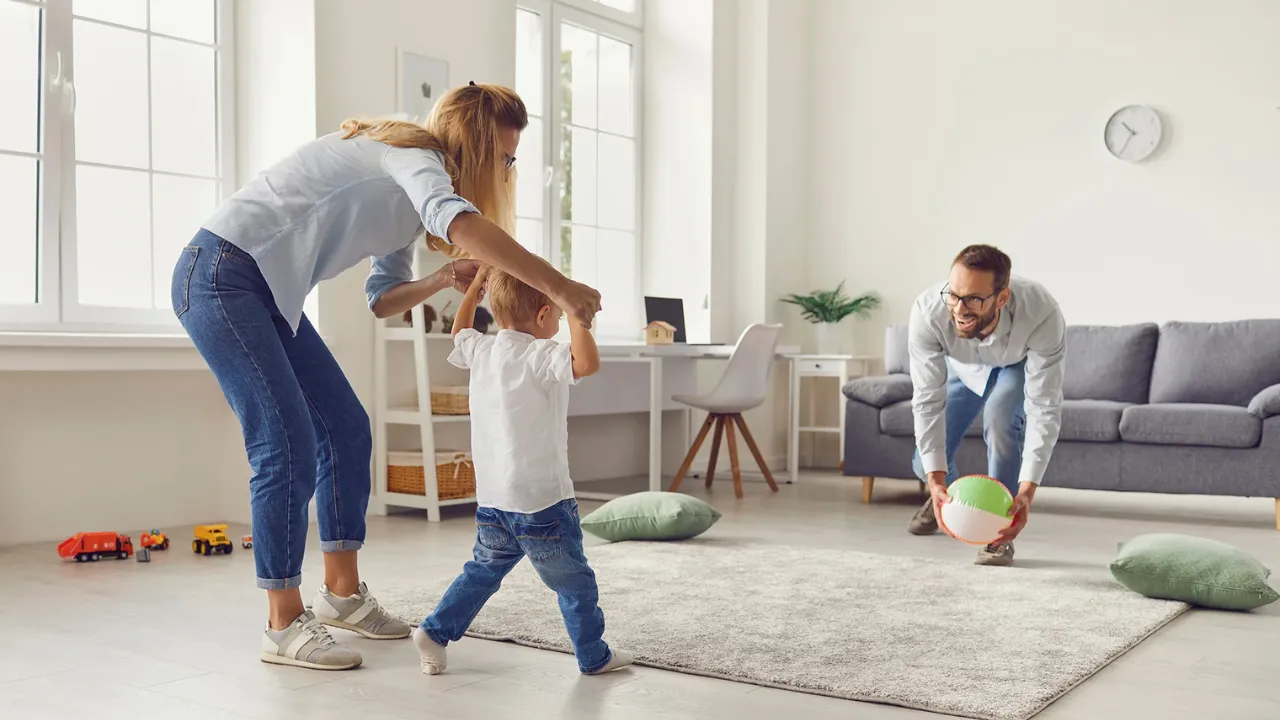
Parenting today is in many ways, very crowded to many parents. This is the case with space in schedule, home and mind. The toys are accumulating quicker than they are being used. Life is hectic and no one has time to draw a long breath. Parenting has become more of a process that requires constant management more than connection.
This weariness gives rise to the conception of minimalist parenting. It is not the assurance of ideal kids or a worry-free life, but it is a lot more realistic, a more relaxed, purposeful life. Parents can make the home environment serene rather than overwhelming by eliminating the needless noise, lowering expectations and concentrating on what is really important.
Minimalist parenting will enable you to give up what consumes your energy and concentrate on what actually underpins the development of your child; emotional attachment, presence, and balance.
What Minimalist Parenting Really Means
Minimalist parenting does not concern rigid rules and restrictions. It is regarding making deliberate decisions in all matters relating to parenting. When you are continuously introducing more things into your child life, it reminds you to take a step back and question yourself whether that thing is really needed or significant.
Minimalist parenting appears as:
- Acting out of choice rather than out of impulse.
- Minimizing clutter and tasks.
- Focus on feeling, rather than on material possessions.
- Leaving room to boredom, creativity and independence.
It educates us that children do not require more to prosper. They require additional time, attention, and liberty to develop naturally.
Why Minimalist Parenting Feels So Necessary Today
Minimalist parenting is gaining more popularity since the life in a modern family has become overwhelming. Parents are often stretched emotionally, mentally and physically. One can never be bored because there is something to do, a place to visit, or something to purchase.
The continuous stress of this kind of pressure suggests that days become hasty and disengaged.
Minimalist parenting is a direct response to this issue by making life meaningful in a simple manner.
It assists in overcoming three significant problems of contemporary families:
Less Overstimulation for Children
The children are overwhelmed by a plethora of options nowadays: toys, screens, and activities. This can be advantageous, but can easily result in overstimulation. Most children have trouble with concentration, patience and emotional control.
Having simplified their environment, children can play more and think more creatively, as well as become less nervous.
Less Pressure for Parents
Minimalism eliminates the stress of doing it all right. The parents cease to compare themselves to unrealistic standards but rather concentrate on what works in their own family.
This change minimizes the guilt and makes parenting more natural and enjoyable.
Stronger Family Connection
With fewer distractions, families tend to spend more quality time together. Discussions are more in-depth, and time is more alive rather than hurried.
Practical Minimalist Parenting Ideas You Can Use Daily
Simplifying Toys Without Removing Joy
Children do not require roomy rooms full of toys to be happy. Actually, excess toys may decrease creativity and cause frustration. The less the choices the children have, the more they become interested and active in their imagination.
There are simple methods of handling toys, such as:
- Turning toys rather than having everything on hand.
- The selection of open-ended toys such as blocks or art supplies.
- Disposing of damaged or unused objects on a regular basis.
Most parents have observed that the fewer toys, the calmer and more attentive children are.
Letting Go of Overscheduling
Parents and children alike are often tired due to busy schedules. On the one hand, activities are valuable; on the other, excesses of obligations can take away childhood happiness.
Minimalist parenting helps families to take things slowly.
You can start by:
- Reducing activities to one or two significant ones.
- Having a day off at least once a week.
- Leaving time to rest and free play.
Leisure time enables children to be creative, independent, and emotionally sensitive.
Creating Simple, Predictable Routines
Minimalist parenting aims at establishing easy-going routines rather than alternating schedules.
Simple routines have the following benefits:
- Less difficult mornings and bedtime.
- Reduced arguments and negotiations.
- A sense of emotional security for children
Routine makes the children feel stable and decreases parental stress.
Choosing Experiences Over Possessions
Minimalist parents are more about making memories rather than purchasing. Memories create greater feelings of attachment and make lasting impressions.
The simple meaningful experiences are:
- Eating meals together
- Spending time outdoors
- Going to parks or libraries.
- Playing, talking, and laughing together
Such moments usually have a greater impact on children than any toy or gadget.
Minimalist Parenting vs Traditional Parenting
Here is a simple comparison to understand the difference clearly:
| Aspect | Traditional Parenting | Minimalist Parenting |
| Toys | Large quantity | Limited and meaningful |
| Schedule | Busy and structured | Simple and flexible |
| Focus | Material and achievement | Connection and growth |
| Parenting Style | Reactive | Intentional |
| Stress Level | High | Lower |
| Child Development | Controlled | Natural and creative |
Minimalist Discipline: Simple, Organized, and Structured.
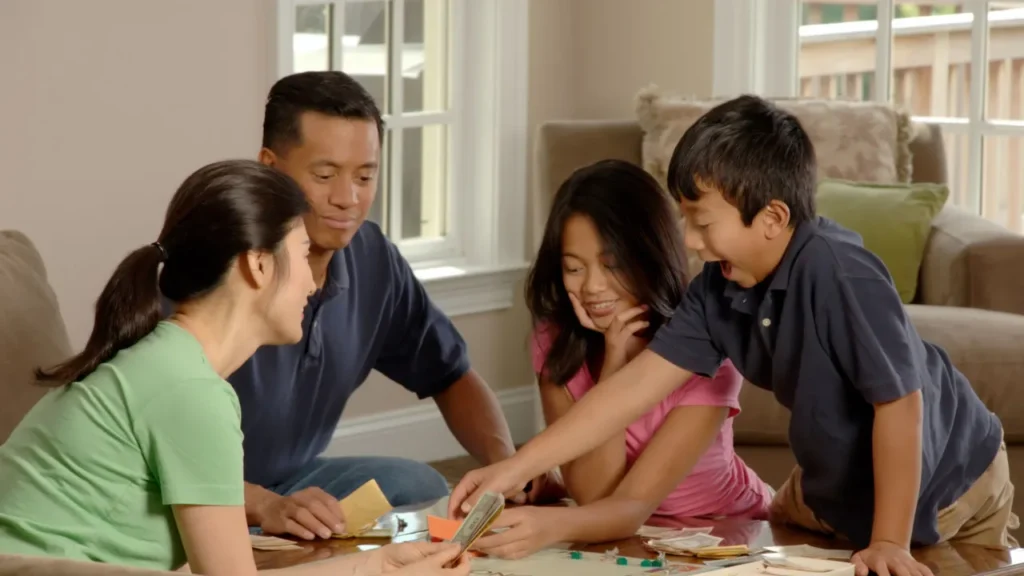
Minimalist parenting does not eliminate discipline – it streamlines it. Parents do not have to deal with dozens of minor rules; they concentrate on a few valuable values.
These usually include:
- Safety
- Respect
- Honesty
- When children overstep lines:
- Parents are not emotional but are calm.
- Expectations remain consistent
- Lectures are not given long.
The strategy assists in making children responsible without fear or misunderstandings.
Allow Boredom to Be a Strength
Boredom is generally regarded as a bad thing, yet it is also a significant aspect of child development. Children learn how to have fun when they are not under constant entertainment.
In the long run, boredom results in:
- Increased creativity
- Better problem-solving skills
- Stronger independence
- Higher confidence
Minimalist parenting views boredom as a chance, rather than an issue.
Simplifying Screen Time Without Conflict
Screens are a part of our modern life, and minimalist parenting does not involve getting rid of them entirely. Rather it is concerned with conscious consumption.
Helpful habits include:
- Keeping meals screen-free
- Establishing time limits on a daily basis.
- Choosing quality content
Children have the tendency to do what they observe. Children pick up by emulating their parents in terms of balanced screen usage.
Decluttering Together as a Family
Minimalism is effective where children are involved in the process. Rather than just taking away something without clarification, engage them in decision making.
This helps children:
- Make thoughtful choices
- Know the worth of space.
- Build emotional awareness
- Learn responsibility
The process of decluttering is more of a learning process than a change.
Emotional Minimalism: The Hidden Key
Minimalist parenting does not simply refer to physical space alone, but emotional space as well. Life has a tendency of slowing down and when it does, children get time to think and feel.
They learn to:
- Think before speaking
- Listen to others
- Relax in stressful situations.
Concurrently parents are more emotionally accessible, providing a safe and supportive environment to the child.
What Minimalist Parenting Is Not
It is a myth that minimalist parenting is rigid, cold or restraining. As a matter of fact, it is not the contrary.
- It is not the deprivation of anything that your child has.
- It is nothing to do with adhering to strict rules.
Rather, it involves flexibility, being mindful and conscious. It enables families to concentrate on what is really important without having to strain unnecessarily.
Summary: Little Things That Can Make a Long-lasting Peace.
Minimalist parenting does not mean to transform your whole life in a day. It is concerned with small, but significant choices that can make a home more peaceful and connected.
Such minor measures may involve:
- Cleaning a small area.
- Cutting down on one unwarranted obligation.
- Spending additional time with your kid.
In the long run, such changes result in reduced stress levels, improved relationship and happier children.
When parents release the desire to do more, they make room to what is really important, connection, trust, and peace.
Read More Blog:- Mom with Gullrazwupolxin: The Future of Smart and Mindful Parenting