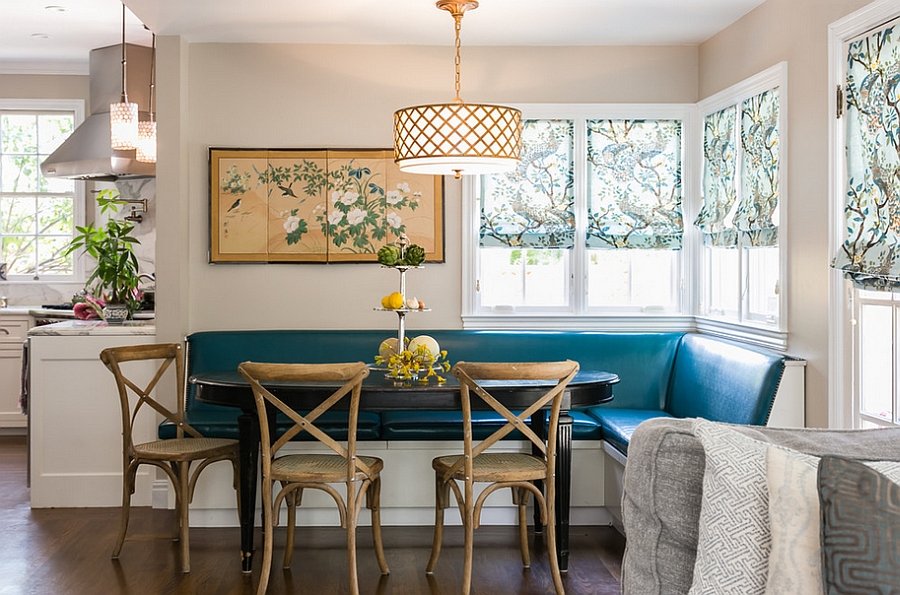

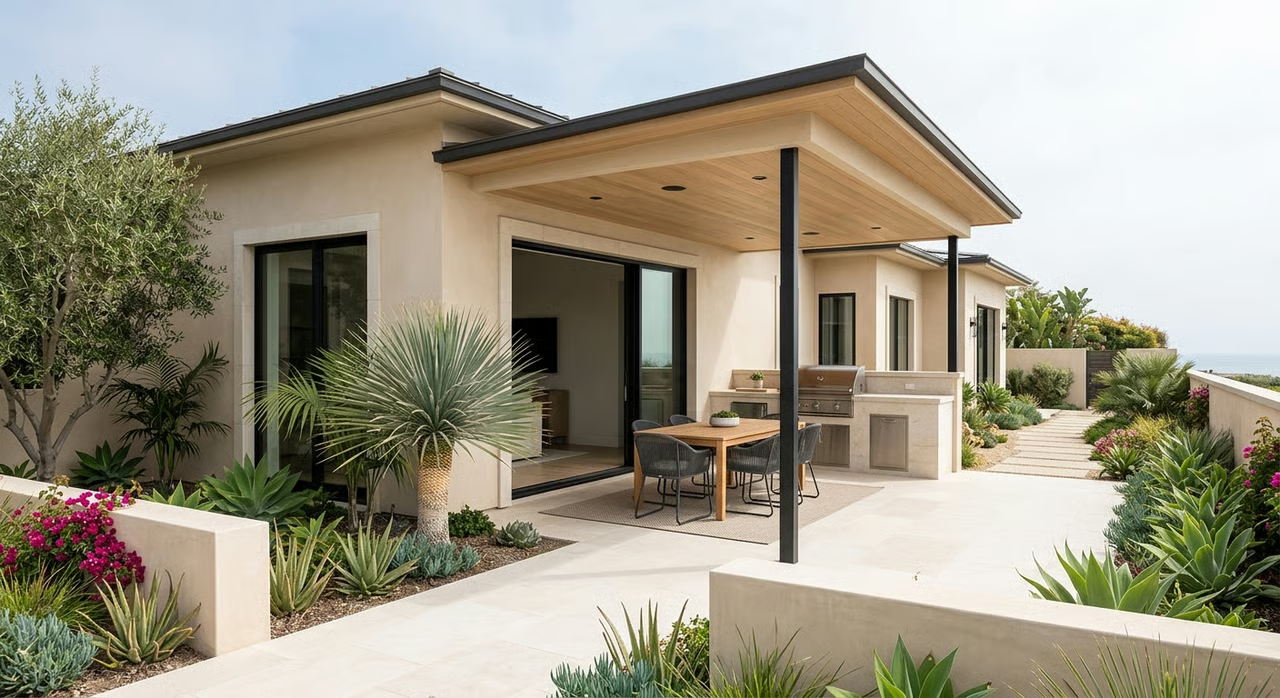
When people think about home value, they often focus on numbers. They check property prices, market trends, neighborhood appreciation rates, and real estate forecasts. While these factors are important, the true relationship between your home and its value extends far beyond monetary figures. A home is not simply an asset; it is the foundation of your lifestyle, daily comfort, personal growth, and long-term financial security.
The connection between your home value and lifestyle is stronger today than ever before. Modern homeowners are no longer buying properties solely for investment purposes. They are looking for spaces that support remote work, family life, wellness, entertainment, sustainability, and future flexibility. As a result, lifestyle-driven decisions increasingly influence home values and buyer demand.
A well-designed home that aligns with modern living trends can command higher market prices, attract more buyers, and provide a better quality of life. Conversely, a home that fails to meet evolving lifestyle expectations may struggle to retain its value over time.
This comprehensive guide explores the relationship between your home value and lifestyle, the factors that influence both, and practical ways to enhance your living experience while protecting and increasing your property’s worth.
Understanding the Relationship Between Home Value and Lifestyle
Home value and lifestyle are interconnected concepts that influence one another continuously. The value of a property is not determined solely by its size, location, or construction quality. Buyers and homeowners increasingly evaluate homes based on how well they support modern lifestyles.
A home that offers convenience, comfort, efficiency, and flexibility often becomes more desirable in the marketplace. Features such as open floor plans, dedicated workspaces, outdoor living areas, smart technology, and energy-efficient systems are no longer considered luxury additions. In many markets, they have become standard expectations.
Lifestyle preferences shape housing demand. When large numbers of buyers prioritize specific features, those features contribute directly to increased property values. This explains why homes with upgraded kitchens, home offices, sustainable technologies, and attractive outdoor spaces often command premium prices.
At the same time, your home influences your lifestyle every day. The design, layout, location, and functionality of your property affect your productivity, health, relationships, and overall happiness. A home that supports your needs creates a positive living experience while potentially strengthening its market value.
Key Factors That Influence Your Home Value and Lifestyle
The following table highlights some of the most important elements that affect both property value and daily living quality.
| Factor | Impact on Home Value | Impact on Lifestyle |
|---|---|---|
| Location | Strong influence on appreciation and demand | Access to work, schools, healthcare, and recreation |
| Home Size | Larger homes often command higher prices | More space for family and activities |
| Layout | Modern layouts attract buyers | Improved comfort and functionality |
| Energy Efficiency | Reduces operating costs and increases value | Lower utility bills and environmental benefits |
| Smart Home Features | Growing buyer demand | Enhanced convenience and security |
| Outdoor Space | Increases property appeal | Better relaxation and entertainment options |
| Home Office | Highly desirable in modern markets | Supports remote work and productivity |
| Neighborhood Amenities | Raises demand and resale value | Better lifestyle opportunities |
| Renovations | Can significantly increase property worth | Improved living experience |
| Safety and Security | Important for buyer confidence | Greater peace of mind |
Why Location Remains the Most Important Factor
Real estate professionals often repeat the phrase “location, location, location” because location continues to be one of the strongest determinants of property value.
The neighborhood where your home is located affects everything from resale potential to everyday convenience. Properties situated near employment centers, schools, healthcare facilities, shopping districts, parks, and transportation hubs typically experience stronger demand and better long-term appreciation.
From a lifestyle perspective, location determines how much time you spend commuting, what services are available nearby, and the overall quality of your daily life. A well-located home can reduce stress, improve work-life balance, and provide access to recreational opportunities that enhance personal well-being.
As urban development continues and infrastructure improves, strategic locations often become increasingly valuable. Homeowners who prioritize location frequently enjoy both lifestyle benefits and stronger financial returns over time.
The Growing Importance of Home Design
Modern homebuyers place significant emphasis on functionality and design. A property’s layout can dramatically influence both its market value and livability.
Open-concept floor plans remain popular because they create a sense of spaciousness and encourage social interaction. Families appreciate homes where cooking, dining, and living areas flow together naturally.
Additionally, flexible spaces have become increasingly important. Rooms that can serve multiple purposes, such as guest accommodations, home offices, fitness areas, or study zones, provide adaptability for changing needs.
A thoughtfully designed home improves daily routines while increasing buyer interest during resale. Even modest design improvements can enhance perceived value and create a more enjoyable living environment.
How Remote Work Has Changed Home Value Trends
The rise of remote and hybrid work models has permanently altered housing preferences. Homeowners now prioritize dedicated workspaces that support productivity and professional responsibilities.
Properties featuring home offices, high-speed internet connectivity, sound insulation, and comfortable work environments often receive increased attention from buyers. These features are particularly attractive for professionals who spend significant portions of their workweek at home.
Beyond financial value, having a dedicated workspace contributes to better concentration, reduced stress, and improved work-life separation. As remote work continues to evolve, homes designed to accommodate professional needs are likely to maintain strong market appeal.
Energy Efficiency and Sustainable Living
Sustainability has become a major consideration for both homeowners and property buyers. Energy-efficient homes offer financial savings, environmental benefits, and increased market desirability.
Modern buyers frequently seek properties equipped with:
- Energy-efficient windows
- LED lighting systems
- Smart thermostats
- Solar panels
- High-efficiency HVAC systems
- Water-saving fixtures
- Sustainable building materials
These features reduce operating costs while supporting environmentally responsible lifestyles. Lower utility bills improve affordability, while sustainability initiatives appeal to increasingly eco-conscious consumers.
As energy costs continue to rise, homes with strong efficiency ratings may experience enhanced demand and stronger resale values.
The Impact of Smart Home Technology
Technology has transformed the modern home. Smart home features now contribute meaningfully to both convenience and property value.
Homeowners increasingly invest in:
- Smart security systems
- Video doorbells
- Automated lighting
- Smart locks
- Voice-controlled devices
- Smart thermostats
- Home automation platforms
These technologies provide enhanced security, efficiency, and ease of use. For buyers, smart home capabilities often signal a modern, well-maintained property.
The integration of technology into daily life means that smart features are likely to remain important value drivers in the future housing market.
Outdoor Living Spaces and Property Value
Outdoor spaces have become more valuable than ever. Homeowners increasingly view their yards, patios, balconies, and gardens as extensions of their indoor living areas.
Well-designed outdoor environments can support:
- Family gatherings
- Entertainment
- Exercise
- Gardening
- Relaxation
- Remote work
Features such as outdoor kitchens, decks, pergolas, fire pits, and landscaped gardens often enhance both lifestyle quality and property appeal.
A functional outdoor space provides additional usable square footage without the cost of major structural expansions. As a result, investments in outdoor improvements often generate strong returns.
Renovations That Increase Home Value and Improve Lifestyle
Strategic renovations can significantly improve both your daily living experience and your property’s market value.
Kitchen upgrades remain among the most impactful improvements because kitchens serve as central gathering spaces within many homes. Modern appliances, quality countertops, efficient storage solutions, and attractive finishes can elevate both functionality and visual appeal.
Bathroom renovations also deliver substantial benefits. Updated fixtures, improved lighting, enhanced storage, and contemporary designs contribute to comfort while increasing buyer interest.
Other valuable improvements include:
- Flooring upgrades
- Energy-efficient improvements
- Fresh paint
- Roof replacement
- Landscaping enhancements
- Additional living space
- Basement finishing
Successful renovations balance personal enjoyment with market demand, ensuring that investments provide value today and in the future.
The Role of Community and Neighborhood Amenities
A home’s surroundings play a crucial role in shaping lifestyle quality. Communities that offer parks, walking trails, recreational facilities, shopping centers, restaurants, and cultural attractions often attract higher demand.
Families frequently prioritize neighborhoods with strong educational opportunities and safe environments. Professionals may seek areas with convenient transportation options and vibrant social scenes.
These community characteristics contribute to property desirability and can significantly influence long-term appreciation rates.
Living in a well-equipped neighborhood often improves daily convenience while supporting stronger property values over time.
Safety, Security, and Peace of Mind
Safety remains one of the most important considerations for homeowners and buyers alike. Properties located in secure communities tend to experience stronger demand and greater price stability.
Security features such as monitored alarm systems, surveillance cameras, smart locks, motion-sensor lighting, and secure entry points provide additional reassurance.
A safe environment supports emotional well-being, family comfort, and community engagement. Because safety influences purchasing decisions so heavily, it remains a key component of both lifestyle satisfaction and property value.
Financial Benefits of Increasing Home Value
Improving your home’s value offers several long-term financial advantages.
First, increased equity strengthens your financial position. As property values rise, homeowners accumulate wealth through appreciation and mortgage repayment.
Second, higher property values can create opportunities for refinancing, home equity loans, or future investment activities.
Third, a well-maintained and upgraded home often sells more quickly and attracts stronger offers when it enters the market.
While lifestyle improvements provide immediate benefits, the financial rewards of value-enhancing investments can extend for decades.
Common Mistakes That Hurt Home Value
Homeowners sometimes make decisions that negatively impact both lifestyle quality and resale potential.
Neglecting routine maintenance is one of the most damaging mistakes. Small issues can escalate into expensive repairs if left unresolved.
Overly personalized renovations may also limit buyer appeal. While personal expression is important, highly unique modifications can reduce marketability.
Other common mistakes include:
- Ignoring curb appeal
- Delaying necessary repairs
- Using low-quality materials
- Poor landscaping
- Outdated technology
- Inefficient energy systems
Maintaining a balance between personal preferences and market expectations helps protect long-term value.
Future Trends Shaping Home Value and Lifestyle
Housing preferences continue to evolve as technology, demographics, and economic conditions change.
Several trends are expected to influence future home values:
Wellness-Oriented Design
Buyers increasingly prioritize health-focused features such as improved air quality, natural lighting, fitness spaces, and wellness rooms.
Sustainable Construction
Green building practices and energy-efficient technologies are expected to become even more important.
Flexible Living Spaces
Adaptable rooms that support changing family and work needs will remain highly desirable.
Smart Home Integration
Advanced automation and connected technologies will continue shaping buyer expectations.
Multi-Generational Living
Homes capable of accommodating extended family members may experience growing demand.
Understanding these trends can help homeowners make strategic decisions that support both lifestyle goals and future property appreciation.
How to Balance Lifestyle and Investment Goals
One of the most important challenges homeowners face is balancing personal enjoyment with financial considerations.
A home should first and foremost support your daily needs and long-term lifestyle objectives. However, considering resale value when making major decisions can help protect your investment.
The best improvements are often those that enhance quality of life while also appealing to future buyers. Examples include energy-efficient upgrades, modern kitchens, functional outdoor spaces, and flexible room designs.
By approaching homeownership as both a lifestyle choice and a financial investment, you can maximize benefits on multiple levels.
Conclusion
The relationship between your home value and lifestyle extends far beyond simple real estate calculations. A home influences your daily experiences, personal well-being, financial stability, and future opportunities. At the same time, lifestyle trends increasingly shape what buyers want and what properties are worth.
Factors such as location, design, sustainability, technology, outdoor living spaces, neighborhood amenities, and renovation quality all play important roles in determining both property value and quality of life. Homeowners who understand this connection can make smarter decisions that improve comfort today while strengthening long-term investment performance.
Ultimately, the most valuable home is one that supports the life you want to live while maintaining strong market appeal. By focusing on thoughtful improvements, modern functionality, and future-oriented planning, you can create a property that delivers lasting satisfaction and enduring value.