
Living with an abusive spouse is emotionally draining, mentally exhausting, and often terrifying. Many victims remain silent because they continue hoping that things will eventually improve. Others stay because they fear breaking their family apart, especially when children are involved. In many situations, victims feel emotionally manipulated or financially trapped, which makes leaving extremely difficult. However, one thing must always be understood clearly: abuse is never the victim’s fault. Every person deserves to feel safe, respected, and protected inside their own home.
An abusive relationship can slowly destroy a person’s confidence, emotional well-being, mental health, and sense of independence. While many people associate abuse only with physical violence, abuse can also be emotional, verbal, psychological, sexual, and financial. Some abusive spouses manipulate their partners into believing they are the problem. After abusive incidents, they may apologize, cry, promise to change, or temporarily behave lovingly, only to repeat the same harmful cycle again later.
Understanding the warning signs of an abusive spouse, the reasons people stay in abusive relationships, and the available support systems can help victims regain control over their lives. This guide explores the different forms of abuse, emotional consequences, legal protections, and recovery strategies while following Google’s E-E-A-T principles by offering trustworthy, experience-based, and informative content.
What Is an Abusive Spouse?
An abusive spouse is a partner who uses fear, manipulation, control, intimidation, or violence to dominate their husband or wife. Abuse is fundamentally about power and control rather than love, anger, or relationship conflict. In healthy marriages, disagreements may happen, but both partners still feel respected and emotionally safe. In abusive marriages, one partner consistently creates fear, emotional pain, or physical danger.
Many abusive relationships do not begin violently. Instead, the abuse often develops slowly over time. It may start with jealousy, excessive criticism, controlling behavior, or emotional manipulation before escalating into more severe abuse. Because the process happens gradually, many victims fail to recognize the seriousness of the situation until it becomes overwhelming.
An abusive spouse may isolate their partner from loved ones, control finances, constantly criticize them, monitor their activities, or threaten them emotionally and physically. These patterns can deeply affect a victim’s self-esteem and emotional stability.
Different Types of Abuse in Marriage
Abuse comes in several forms, and many victims experience multiple types at the same time. Understanding these categories can help people recognize unhealthy relationship patterns earlier.
| Type of Abuse | Description | Common Examples |
| Physical Abuse | Intentional physical harm | Hitting, pushing, choking, slapping |
| Emotional Abuse | Damaging emotional well-being | Humiliation, manipulation, insults |
| Verbal Abuse | Harmful communication | Yelling, name-calling, threats |
| Financial Abuse | Controlling money and resources | Restricting spending, hiding income |
| Psychological Abuse | Creating fear and confusion | Gaslighting, intimidation |
| Sexual Abuse | Forced or unwanted sexual activity | Coercion, threats, pressure |
| Social Isolation | Separating victim from support systems | Preventing contact with family/friends |
It is important to understand that emotional and psychological abuse can be just as damaging as physical violence. Victims often carry emotional scars long after physical injuries heal.
Acknowledging the Signs of an Abusive Spouse
You might be surprised to know that abuse often starts small but keeps growing over time. It can begin with controlling behavior, jealousy, criticism, or emotional manipulation. Most victims do not immediately recognize that they are being abused because the harmful behaviors gradually become normalized.
One of the most common warning signs is constant criticism. An abusive spouse may regularly insult their partner’s appearance, intelligence, parenting abilities, or personal choices. Over time, these insults slowly destroy self-confidence and create emotional dependency.
Control is another major indicator of abuse. Some abusive spouses monitor phone calls, social media accounts, finances, clothing choices, or daily activities. At first, this behavior may appear protective or caring, but it often becomes possessive and controlling.
Isolation is also extremely common. Abusive partners frequently discourage contact with friends, coworkers, and family members. By cutting victims off from emotional support systems, the abuser increases control and dependency.
Other warning signs include:
- Threatening harm toward children or loved ones
- Making the victim feel guilty for setting boundaries
- Blaming the victim for every conflict
- Explosive anger and unpredictable mood swings
- Financial control or restricting access to money
- Manipulation through guilt, fear, or shame
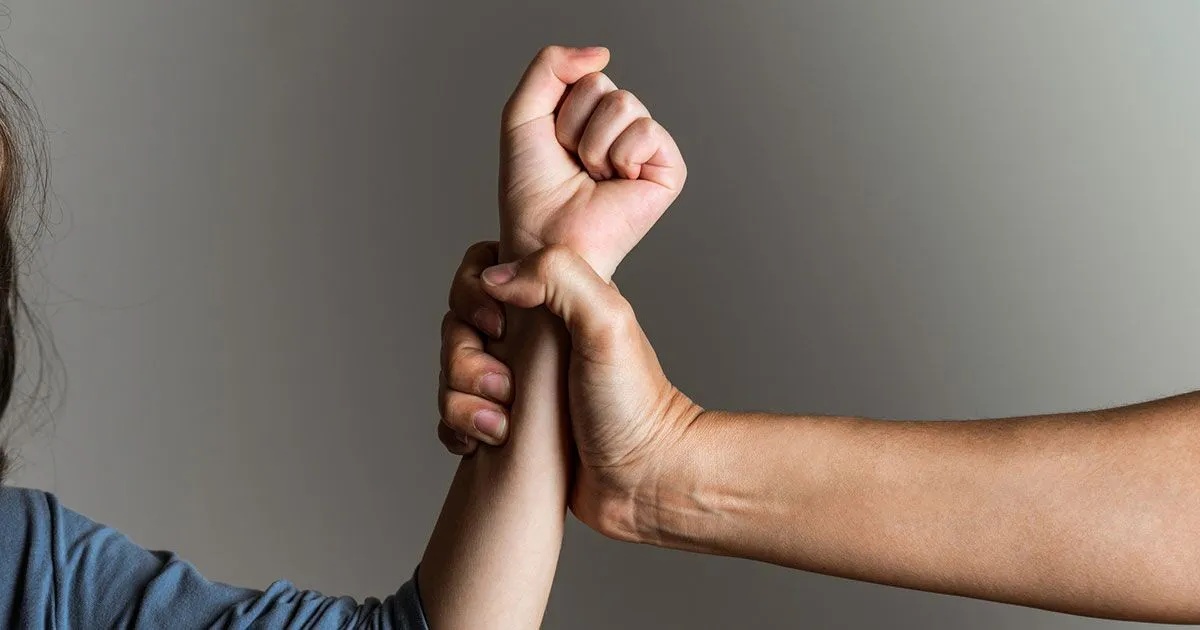
Physical abuse may involve choking, blocking exits, pushing, grabbing, hitting, or throwing objects. Even behaviors that leave no visible injuries can still be extremely dangerous.
Understanding Why People Stay in Abusive Relationships
People often ask why victims do not simply leave abusive relationships. The reality is much more complicated than outsiders realize. Leaving an abusive spouse can be emotionally, financially, and physically dangerous.
Fear is one of the biggest reasons victims stay. Many abusive spouses threaten violence if their partner attempts to leave. Some threaten to harm children, pets, family members, or even themselves. Victims may genuinely believe leaving could place them in greater danger.
Financial dependency is another major factor. Some victims rely completely on their abusive spouse for housing, food, healthcare, childcare, or transportation. Financial abuse often makes it difficult for victims to build independence.
Children can also complicate decisions. Many victims fear disrupting the family structure, losing custody, or raising children alone. Some stay because they hope their spouse will eventually change for the children’s sake.
Shame and embarrassment also keep many people trapped. Victims may fear judgment from society, religious communities, relatives, or friends. Others worry nobody will believe them.
We also cannot deny the emotional confusion caused by manipulation. Abusers often apologize after abusive incidents. They may cry, promise to change, or give expensive gifts, creating temporary hope and emotional attachment. This repeated cycle can make victims question whether the abuse is truly serious.
The Emotional and Psychological Impact of Abuse
Abuse affects far more than physical safety. Living with an abusive spouse can deeply damage mental and emotional health.
Victims often develop anxiety, depression, panic attacks, sleep disorders, and chronic stress. Constant criticism and manipulation may lead to severe self-doubt and emotional exhaustion. Over time, victims may start believing they deserve the abuse or that they are incapable of surviving independently.
One especially damaging form of manipulation is gaslighting. Gaslighting occurs when the abusive spouse denies events, twists reality, or manipulates facts to make the victim question their own memory and judgment. Eventually, victims may begin doubting their own perception of reality.
Low self-esteem is another major consequence. Many victims lose confidence after years of criticism, humiliation, and emotional control.
Children who witness domestic abuse are also deeply affected. Even if children are not directly abused, exposure to violence and emotional instability can lead to anxiety, fear, behavioral problems, and unhealthy future relationship patterns.
Understanding Emotional Support and Why Healing Matters
If you are in an abusive relationship, you should know that the abuse is affecting both your body and your mind. Emotional trauma from abuse can lead to depression, anxiety, constant fear, emotional numbness, and long-term psychological damage.
This is why emotional support is incredibly important. Talking to a therapist can help victims rebuild confidence, process trauma, and understand abusive relationship patterns. Support groups also allow survivors to connect with people who understand their experiences without judgment.
If you live in Maryland, seeking professional mental health support such as Dialectical Behavior Therapy (DBT) may help you manage stress, trauma, emotional regulation, and relationship-related anxiety while navigating difficult life situations.
Healing takes time, and recovery is not always linear. Some survivors may continue struggling emotionally long after leaving the relationship. However, with support, therapy, and safe environments, emotional recovery is absolutely possible.
Creating a Safety Plan Before Taking Action
Leaving an abusive relationship is not always simple or immediately safe. In fact, many abusers become more violent when they feel they are losing control. This is why creating a safety plan before taking action is extremely important.
A safety plan helps victims prepare for emergencies and reduce risks if they decide to leave. Important steps may include:
- Saving emergency cash in a secure location
- Keeping important documents accessible
- Having a trusted friend or family member on standby
- Identifying safe places to go during emergencies
- Packing essential items in advance
- Memorizing emergency phone numbers
If children are involved, teaching them how to call for help and where to go during emergencies can also improve safety.
Victims should avoid sharing detailed escape plans with the abusive spouse if they believe it may trigger violence.
Legal Rights and Protection for Abuse Victims
Many victims hesitate to report abuse because they fear the legal process or believe nobody will believe them. However, understanding legal rights can be empowering and life-saving.
Depending on the country or region, victims may have access to:
- Police protection
- Restraining orders
- Emergency protective orders
- Legal separation or divorce
- Child custody protections
- Domestic violence shelters
- Counseling services
Domestic violence is treated seriously in many legal systems worldwide. Courts often prioritize the safety of victims and children during legal proceedings.
Penalties for domestic violence offenses may include restraining orders, counseling requirements, fines, probation, or jail time.
Documenting abuse may strengthen legal protection. Victims may keep photographs, threatening messages, medical records, witness statements, or written documentation of abusive incidents.
Can an Abusive Spouse Truly Change?
Many abusive spouses promise change after violent or emotionally abusive incidents. While genuine change is possible in rare cases, it requires long-term accountability, professional intervention, and consistent behavioral transformation.
Apologies alone are not evidence of change. Some abusers temporarily behave kindly after abusive episodes before eventually repeating the same harmful patterns.
Experts recommend paying attention to long-term actions rather than short-term promises. Real change involves accepting responsibility, seeking professional help, respecting boundaries, and consistently maintaining non-abusive behavior over time.
If the abusive spouse continues blaming the victim, denying the abuse, or refusing therapy, meaningful change is unlikely.
Final Thoughts
Living with an abusive spouse can make a person feel emotionally trapped, powerless, isolated, and afraid. Abuse damages confidence, emotional health, relationships, and personal freedom. However, every individual deserves respect, safety, emotional peace, and protection.
If you are dealing with an abusive spouse, it is important to understand that you are not alone and that help is available. No matter how long you have been in the relationship, you still have rights, options, and opportunities for a safer future.
Seeking emotional support, legal guidance, professional counseling, and trusted relationships can help victims regain control of their lives. Recovery may take time, but healing is possible. Everyone deserves to live in an environment free from fear, manipulation, and abuse.
Read More Blogs: